
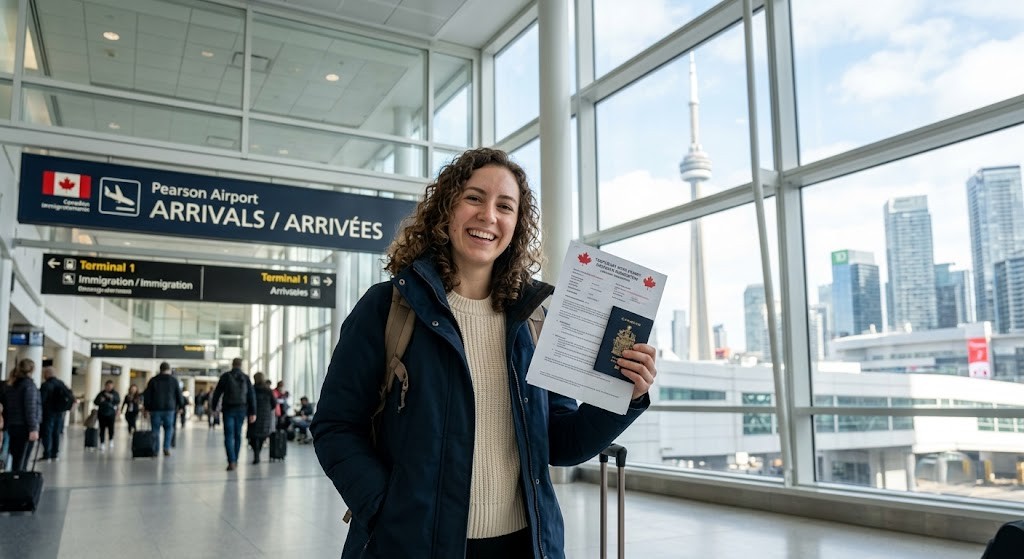
Getting a job offer in Canada feels like the finish line. In reality, it’s often the starting line. Before you can legally work, you’ll almost always need a permit, and the path to that permit depends on your job, your employer, your country, and even your family situation.
This guide walks through how temporary work permits work, what the main types are, and how to avoid the mistakes that slow people down.
First, Understand What Counts As “Work”
Many people assume work only means a regular paid job. Immigration rules use a wider definition. Paid activity usually counts, and so can some unpaid activity if it takes a position a Canadian or permanent resident could fill. That’s why it’s risky to “just help out” before your permit is approved.
When in doubt, treat any activity connected to a job as work and confirm your status first.
The Two Big Categories: LMIA-Based And LMIA-Exempt
Almost every temporary work permit falls into one of two groups.
LMIA-based permits
A Labour Market Impact Assessment is a document the employer obtains to show that hiring a foreign worker won’t harm the Canadian labour market. The employer typically has to advertise the job, prove no suitable Canadian was available, and meet wage requirements. If the assessment is positive, the worker can apply for the permit.
Families who need live-in help often go through this route. Our guide on hiring a caregiver through the LMIA process in Oshawa ON shows how the paperwork works in practice.
LMIA-exempt permits
Some situations don’t need an LMIA at all. Common examples include:
- Workers covered by international trade agreements
- Intra-company transfers
- Youth exchange and certain co-op placements
- Spouses of some work or study permit holders
- Graduates of Canadian schools
- Certain people who already have a permanent residence application in process
Exempt doesn’t mean easy. The worker still has to prove they fit the category, and the documents still need to be accurate.
Open Work Permit vs Employer-Specific Permit
This is one of the most important distinctions, and it affects your life far more than most people realize.
| Feature | Employer-Specific Permit | Open Work Permit |
| Tied to one employer | Yes | No |
| Job offer required | Yes | Usually no |
| LMIA often required | Often | No |
| Changing jobs | Needs a new permit | Flexible |
| Most common for | Skilled and general workers with an offer | Spouses, graduates, some other groups |
| Main risk | Losing status if the job ends | Eligibility is narrow |
An employer-specific permit names your employer, your job, and often your location. If you switch jobs, you generally need a new permit first. Open permits are more flexible, but only certain people qualify. If your spouse is waiting on a sponsorship decision, see our article on the spouse open work permit in Oshawa. Recent graduates should read about the post graduation work permit in Oshawa ON.
The Application Process, Step By Step
While details vary, most employer-specific cases follow a similar order.
- The employer applies for an LMIA, if one is needed. This step can take time and requires proof of recruitment efforts.
- The employer provides a job offer. A clear letter describing duties, wages, hours, and location is essential.
- The worker applies for the permit. Applications are submitted with the offer, the LMIA approval if applicable, and identity and status documents.
- Biometrics and medical exams are completed when required.
- The permit is approved and issued. Many people receive an approval letter first and the actual permit when they enter Canada.
Quebec has an extra requirement for many workers, so anyone working there should confirm the provincial steps as well.
Common Mistakes That Delay Applications
Most delays are preventable. The usual culprits include:
- A job offer letter missing key details, like exact duties or wages
- Applying before the LMIA is approved when one is required
- Inconsistent information across forms and supporting documents
- Ignoring expiry dates on current status
- Working before approval, which can seriously damage future applications
- Assuming a friend’s experience applies to you, even if the job title sounds the same
A short review before you submit often saves months. Start with an eligibility check and a document checklist matched to your category.
Documents To Gather Before You Apply
Preparing early makes everything smoother. Most applicants should expect to collect:
- A valid passport with enough remaining validity
- The job offer letter and, where needed, the LMIA approval
- Proof of education, training, or work experience that matches the job
- Language test results, if the role or category calls for them
- Police certificates and medical results when requested
- Proof of current status if you’re already in Canada
Names, dates, and job titles should match across every document. Even a small difference, like a different spelling of the employer’s name, can lead to a request for more information. Keep clean copies of everything and respond to any request from the government quickly, since deadlines are strict.
How Long Does It Take, And What Does It Cost?
Neither answer is fixed. Processing times depend on the type of application, where you apply from, and how busy the system is. Fees depend on the permit type and whether extra costs apply, such as biometrics. Because these figures change often, check current numbers on the government’s official pages before budgeting, and plan for delays rather than best-case timelines.
A Temporary Permit Can Be A Stepping Stone
A work permit is temporary by design, but it doesn’t have to be the end of the story. Canadian work experience can help you qualify for permanent residence later, including through points-based programs. Our overview of Express Entry Oshawa ON explains how work experience feeds into that system. The earlier you plan around this, the better, because permit length and job choices can affect your options down the road.
When To Get Professional Help
Straightforward cases can sometimes be handled alone. But if your situation involves a prior refusal, a complicated job offer, a status that’s about to expire, or a category you’re unsure about, advice from a professional is worth it. Speaking with one of the visa consultants near Oshawa can help you choose the right category and avoid costly mistakes. You can book a consultation with Visarete to review your case.
Frequently Asked Questions
1. Do I need a job offer to get a work permit?
Usually yes for employer-specific permits. Some open work permits don’t require one, but only certain groups qualify.
2. What is an LMIA, and who applies for it?
It’s an assessment the employer applies for to show that hiring a foreign worker won’t hurt the Canadian job market. The worker can’t apply for it on their own.
3. Can I change employers on a Canadian work permit?
With an employer-specific permit, you generally need a new permit before starting with a different employer. Open permits allow more flexibility.
4. Can I extend my work permit from inside Canada?
Often yes, but you should apply before your current status expires. Applying late can create serious problems.
5. Can my family come with me?
In many cases, spouses and dependent children can apply to join you, but eligibility depends on your permit type and job.
6. Can I work while waiting for a decision?
Sometimes, if you already hold valid status that allows it. Never assume this without confirming, since working without authorization can harm future applications.
7. How long can a work permit last?
Validity ranges from short periods to several years, depending on the category, the job, and your documents. A permit is always temporary.
8. Can a work permit lead to permanent residence?
It can help. Canadian work experience counts toward several permanent residence pathways, but a permit alone doesn’t guarantee residence.

